The historical evolution of casinos A journey through time with le fisherman game
Origins of Gambling and Early Casinos
The history of casinos is deeply rooted in the ancient practice of gambling, which can be traced back thousands of years. Early records reveal that games of chance were prevalent in ancient civilizations, including Egypt, China, and Rome. These early games often involved betting on the outcomes of events or contests, which laid the groundwork for the more structured gambling environments we know today. The desire to engage in games of chance has persisted through the centuries, evolving alongside human culture. Today, players can explore engaging online games like the le fisherman app, offering a modern twist on traditional gaming experiences.
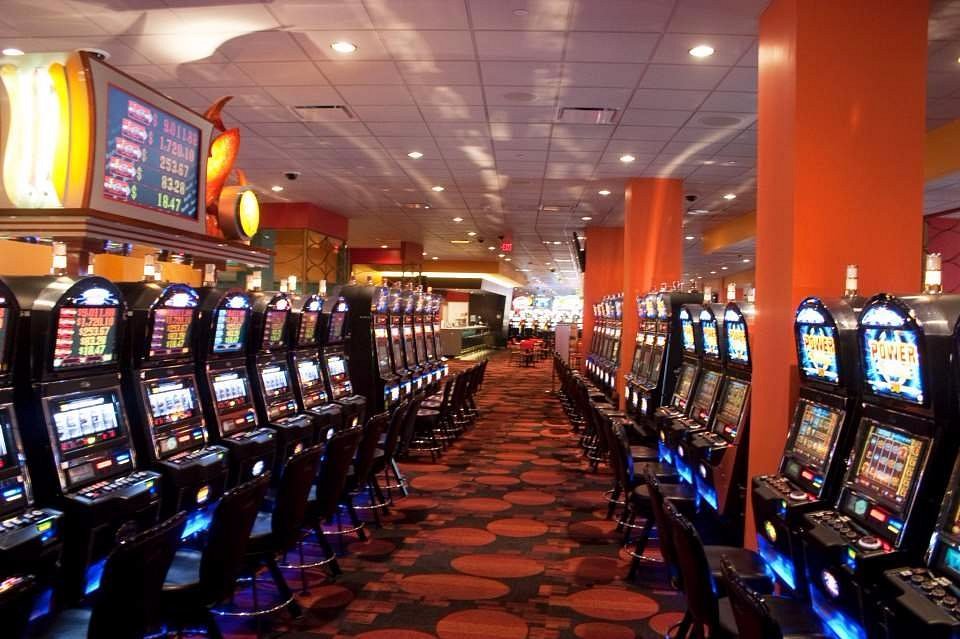
By the late 17th century, the first modern casino emerged in Venice, Italy. Known as the Ridotto, it was designed to provide entertainment for the wealthy and to regulate gambling in a controlled environment. This establishment set a precedent, highlighting the importance of casinos as venues for social interaction and leisure activities, which continue to thrive in contemporary society.
The Rise of Casinos in Europe and America
As the concept of casinos gained popularity, various countries began to establish their own gaming houses. In France, the Casino de Spa opened in the early 18th century, becoming a model for future establishments across Europe. Simultaneously, in the United States, gambling took on a different form, often associated with the Wild West and frontier towns. The Gold Rush era attracted fortune seekers who engaged in high-stakes games, further embedding gambling into the fabric of American culture.
The introduction of slot machines in the late 19th century revolutionized the casino industry, offering a simpler way for individuals to participate in gambling. This innovation paved the way for the massive casino resorts we see today, combining entertainment, dining, and gambling under one roof. The allure of casinos continues to draw millions of visitors, creating vibrant atmospheres rich in history and excitement.
Modern Casinos and Technological Advancements
The late 20th century marked a significant transformation in the casino landscape, driven largely by technological advancements. The rise of online gambling has provided unprecedented access to casino games, allowing players to enjoy their favorite pastimes from the comfort of their homes. This digital evolution has led to the emergence of innovative games like Le Fisherman, a captivating online slot that features engaging themes and interactive gameplay.
Le Fisherman, developed by Hacksaw Gaming, exemplifies how modern casinos adapt to trends in gaming technology. With its vibrant graphics and rewarding gameplay mechanics, this game appeals to a diverse audience. The introduction of features such as free spins and cluster pay systems not only enhances the player experience but also illustrates the industry’s commitment to staying relevant in a rapidly changing landscape.
High Roller Experiences and VIP Treatment
High rollers have always held a special place in the casino world, often receiving exclusive treatment and perks that cater to their extravagant spending habits. These players are typically offered luxurious accommodations, personalized service, and unique gaming experiences that elevate their time at the casino. High roller rooms are designed with elegance and privacy in mind, allowing these elite players to enjoy their favorite games without distractions.
Casinos continually strive to enhance the high roller experience, offering tailored promotions and events that create memorable moments. In this context, games like Le Fisherman can appeal to high-stakes players who appreciate the potential for significant payouts and engaging gameplay. The integration of modern technology and exclusive gaming options ensures that high rollers remain an integral part of the casino ecosystem.

Exploring the Future of Casinos and Online Gaming
The future of casinos appears bright, with continuous innovation and expansion into new markets. As online gaming gains traction, traditional casinos are adapting by incorporating digital elements into their offerings. The success of engaging games like Le Fisherman signifies a shift toward immersive experiences that resonate with younger generations.
As regulations evolve and technology advances, the potential for growth in both physical and online casinos will expand. Gamers can look forward to even more interactive and rewarding experiences, solidifying the role of casinos as entertainment hubs in the modern age. The blend of history, innovation, and player engagement will define the future landscape of gambling, making it an exciting journey for enthusiasts around the world.